{}
Get the full picture before you hire globally. Salaries, taxes, contributions, the lot. → Try our free calculator

What is an EOR? Everything scaling companies need to know when hiring globally

Global employment
This article is for informational purposes only and does not constitute legal, tax, or compliance advice. Always consult a qualified professional before acting on any information provided.

Key takeaways: What is an EOR?

  • An Employer of Record (EOR) lets you legally hire and pay global employees without setting up a local entity to save time and reduce risk.
  • Choosing the right EOR provider starts with understanding your hiring goals, compliance needs, and desired level of support. Because not all EORs offer the same coverage, transparency, or expertise.
  • A quality EOR unlocks faster, compliant hiring, and smoother market entry. Use one to grow confidently while protecting yourself against legal and financial risk.
  • Teamed is the EOR built for mid-sized and scaling companies — combining AI automation with hands-on experts, transparent pricing, and 24/5 human support.

What is an Employer of Record (EOR)?

An Employer of Record (EOR) is a third-party organization that legally employs workers on behalf of your company.

While you still control day-to-day operations, the EOR takes care of the admin, legal, and compliance aspects of employment.

But you still get an overview of everything going on using a service like Teamed:
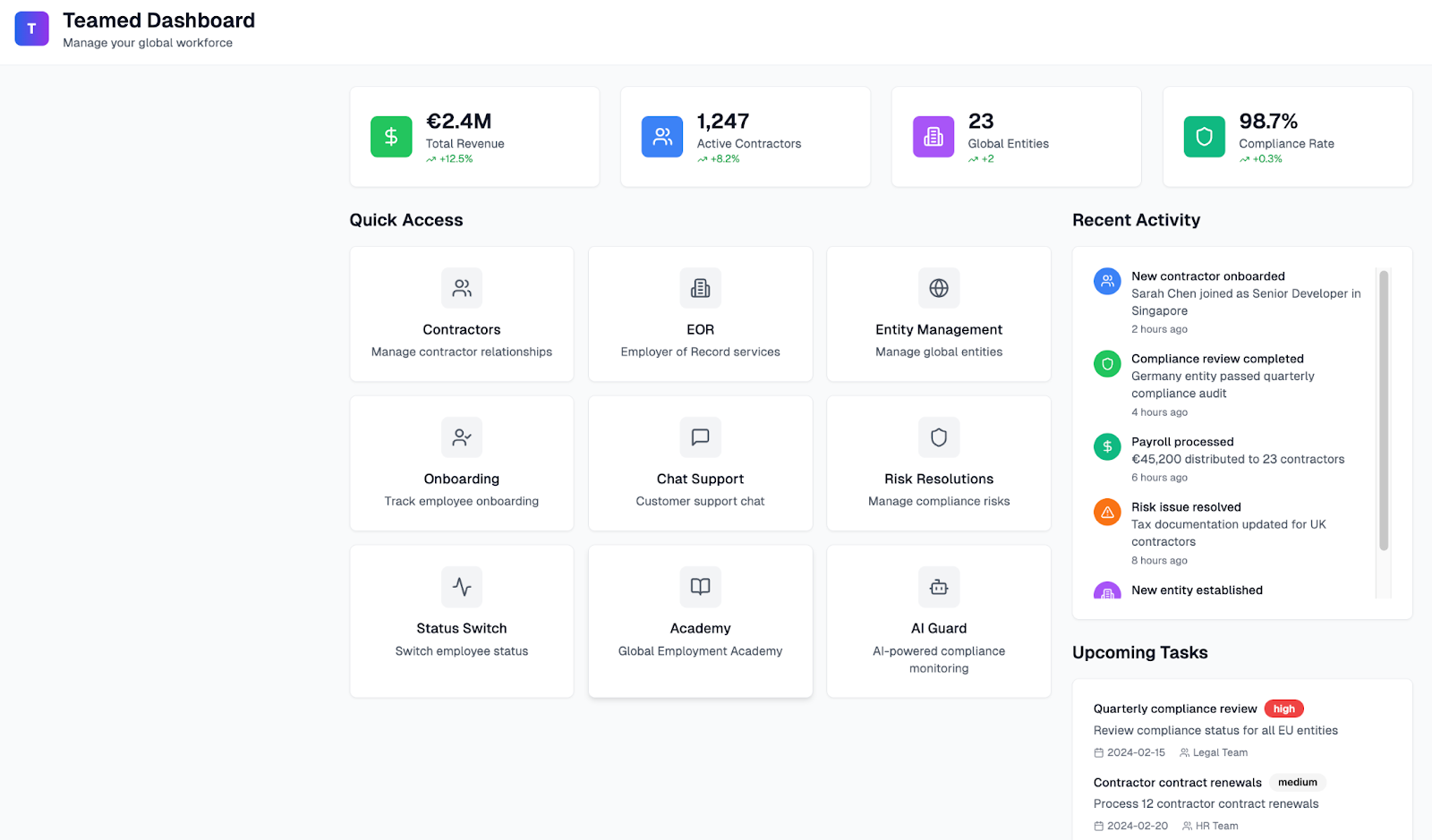
Teamed dashboard showing quick access
Source: https://v0-teamed-hero-dashboard-prompt.vercel.app/

For mid-sized companies expanding globally, this setup removes a huge amount of friction.

Imagine you’re a 250-person SaaS company based in the US that’s found the perfect marketing lead in Germany.

When you partner with an EOR, it becomes the marketing lead’s legal employer. But you still manage their goals, workload, and culture like any other team member.

Here’s how an EOR relationship typically works:
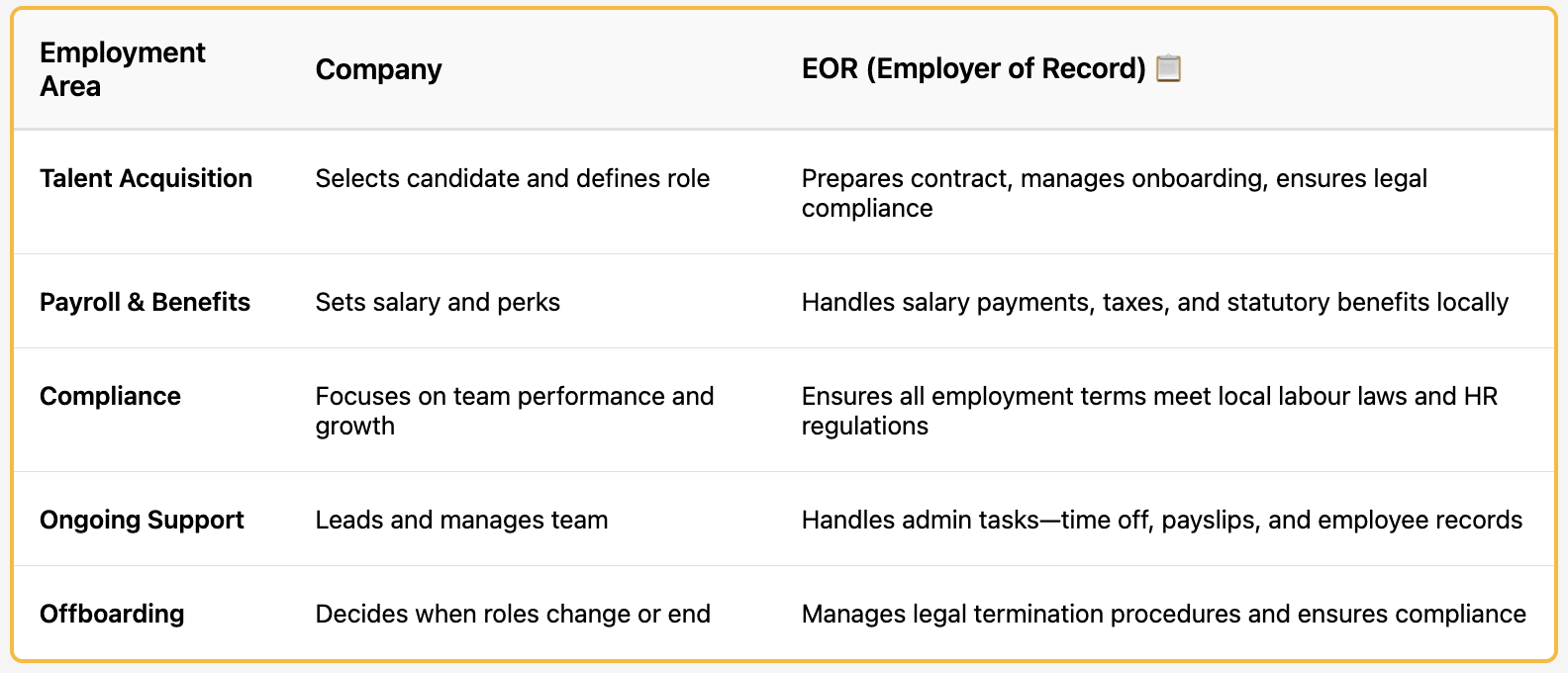
EOR relationship by employment area


An EOR lets you hire without dealing with complex labour laws or worrying about compliance mistakes.

EOR vs. a PEO vs. a staffing agency

If you’ve never worked with an EOR before, it’s easy to confuse it with other HR outsourcing options like a PEO (Professional Employer Organisation) or a staffing agency.

However, each solves very different problems.

Here’s how the three service providers compare:

Service Metric EOR Model PEO Model Staffing Agency
Best for Global hiring Local HR scaling Short-term roles
Employment type Full-time employees Co-employment Temporary/Contract
Legal employer ✅ Yes ❌ No ✅ Yes (Temp)
Handles payroll/tax ✅ Yes ✅ Yes ⚠️ Limited
Entity requirement ❌ No ✅ Yes ❌ No

Scaling internationally, but don’t want to set up permanently in one place yet?

An EOR lets you hire from a global talent pool and pay them legally — while saving time and money and eliminating risk.

💡Pro tip: Teamed makes this process easier through its GEMO (Global Entity Management Operations) offering. Start with an EOR and seamlessly graduate to entity management when the time is right — no rehiring or disruptions.

What are the benefits of a quality EOR service?

A global EOR helps you hire faster, test new markets (without committing a huge amount of time or money), and ensure compliant employment.

Here are three of the biggest advantages:

Faster global hiring

International hiring through an EOR solution is often weeks (or even months) faster than doing it alone.

According to SmartRecruiters’ research, the global median time to hire is 38 days. But companies using artificial intelligence (AI) in their hiring processes (as many EORs do) can hire 26% faster.
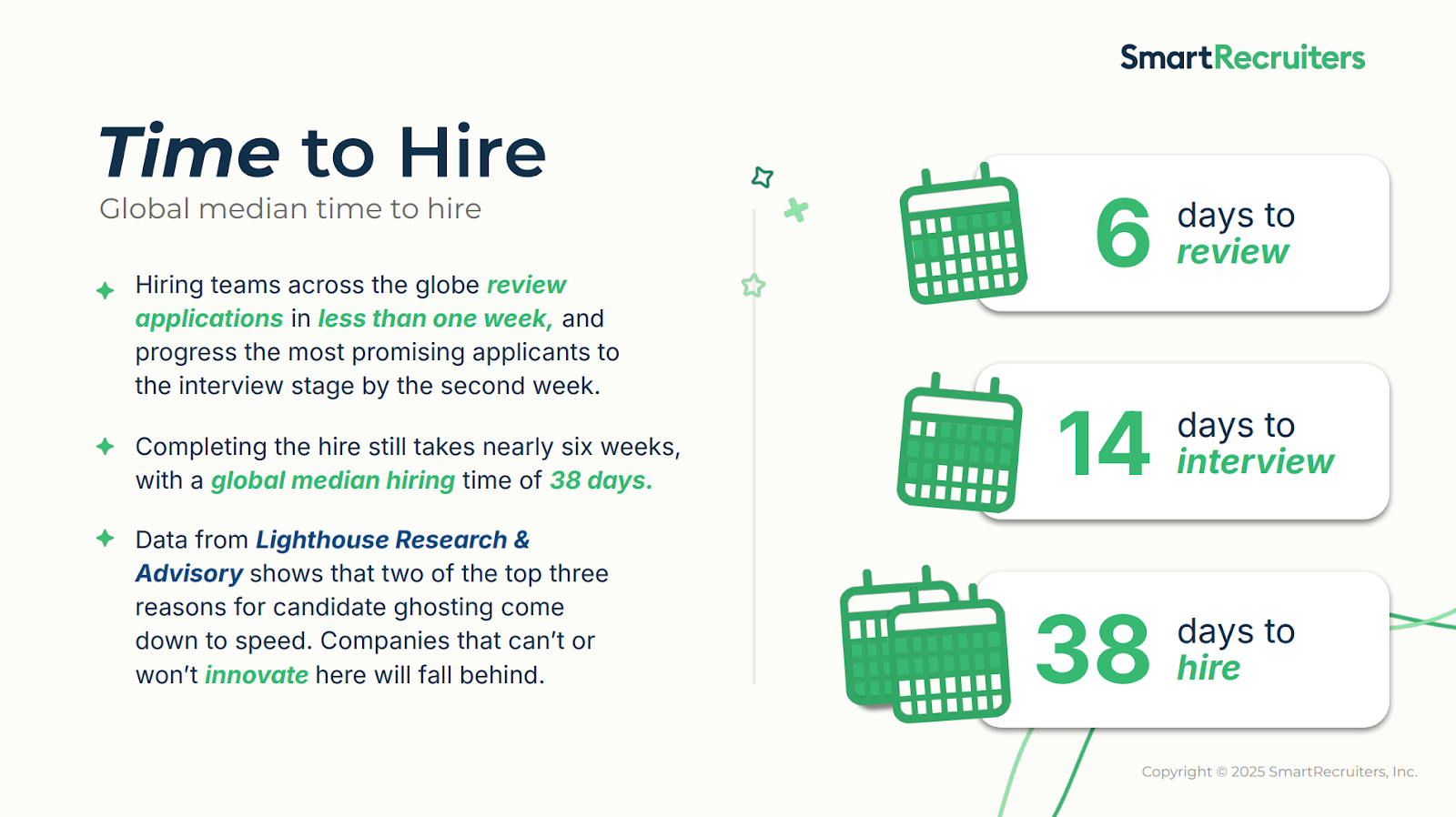
SmartRecruiters report global median time to hire data
Source: https://ta.smartrecruiters.com/rs/664-NIC-529/images/Recruitment-Benchmarks-2025-Report.pdf?version=0

Instead of waiting for entity registration, tax IDs, and local legal approvals, you can onboard the best talent in as little as 24 hours using the EOR’s existing infrastructure and technology.

Imagine you’re a rapidly growing fintech company about to launch in Asia.

You find a brilliant customer success lead in Singapore, but setting up a local entity to hire them would take 2–3 months.

With an EOR that uses AI-powered workflows (like Teamed), that fully compliant hire starts in under a week and gets paid in local currency.

For a scaling company, this can be the difference between losing top talent who drop out of slow HR processes and capturing market share early.

👉Example in action: Learn how Teamed’s local expertise helped property management company City Relay grow its team by 80%. No additional in-house human resources or compliance knowledge necessary.

Simplified compliance and reduced legal risk

An EOR takes on employer responsibilities (e.g., staying compliant with local labour, tax, and HR regulations) and reduces the risk of fines and legal disputes.

With peace of mind and fewer disruptions, you can focus on building teams and expanding into new markets without fear of compliance errors.

Say you’re a mid-sized analytics provider expanding into Spain and Brazil (the latter being one of the top 10 most complex jurisdictions for doing business).

Each country has different rules for:

  • Employment contracts. Requirements around holidays, notice periods, and termination clauses.
  • Visas and background checks. Country-specific documentation, work permits, and verification processes.
  • Benefits administration. Health insurance, social security contributions, and statutory leave policies.
  • Payroll processing and reporting. Local tax filings, deductions, and timely payments in local currency.

While managing all of this internally could easily lead to costly mistakes, local experts who understand the nuances of each market back EORs.

You still manage your team’s work and goals. But the legal and administrative burden is off your plate.

Flexibility to test new markets

A quality EOR lets you hire locally without committing to a full entity. Use one to test market entry, validate your product, and explore customer demand without long-term overhead.

According to PwC research, 65% of British CEOs are actively planning to enter new markets (most notably, the US).
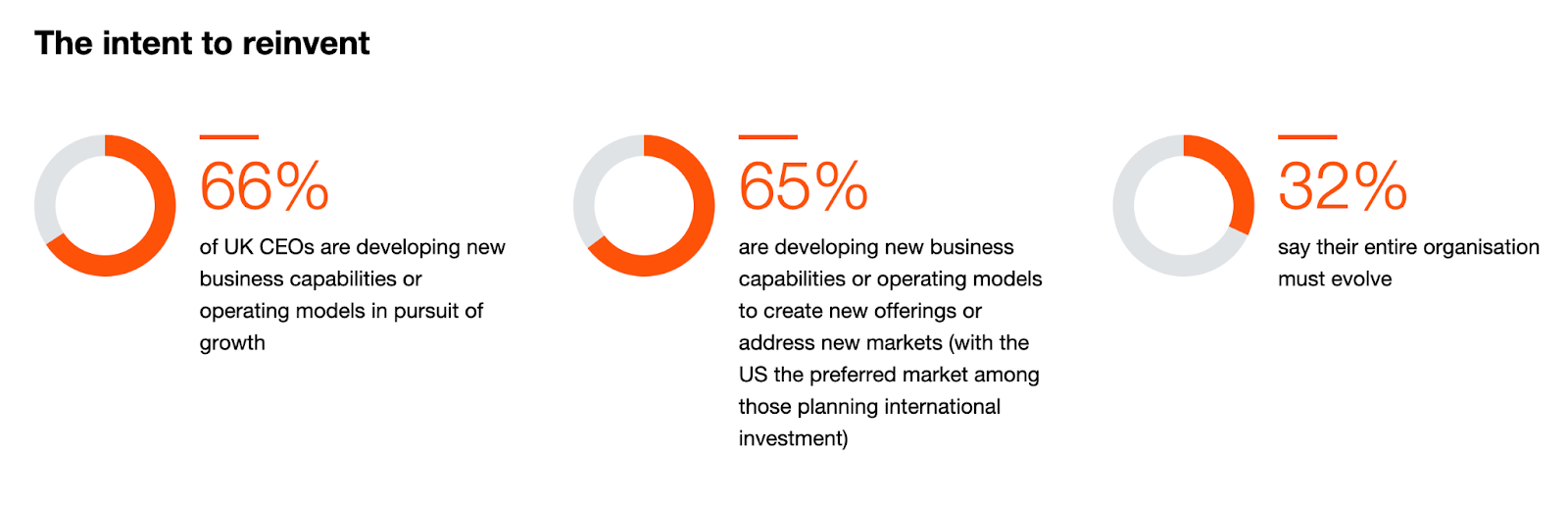
PwC research entering new markets data
Source: https://www.pwc.co.uk/ceo-survey.html

Rapidly growing businesses can use EORs to test multiple markets safely and strategically, learning what works before committing to a full legal presence.

For example, you may want to hire a small sales and support team to see if the Mexican market is viable.

Setting up a permanent establishment would take months and tens of thousands of pounds.

With an EOR, you can scale your team up or down quickly based on early results, experiment with different roles, and adjust your approach as you learn.

💡Pro tip: With software like Teamed, you’ll also save around £20,000 per country on setup costs and maintain full legal compliance.

How to choose the right EOR provider for your unique needs

The best EOR for your business depends on where you’re hiring, how fast you’re growing, and the level of support you need.

Whether you’re expanding into one new country or 10, a little structure in your decision-making process helps you narrow your options and find a provider that truly fits your needs.

Here are five crucial steps to do so successfully.

Step 1: Determine your hiring and compliance needs

Before choosing an EOR, it’s essential to clarify exactly why you need one and what problems you want it to solve.

Start by outlining your target markets, expected headcount, and legal or payroll requirements.

Say you’re planning to hire five employees in France and 20 in Canada. France requires strict employment contracts and local benefits, while Canada’s payroll taxes vary by province.

Knowing this upfront helps you find a partner with the right country coverage and expertise in both markets (saving you compliance headaches later).

You likely need an EOR if you’re:

The clearer you are about your hiring and compliance needs, the easier it will be to compare providers, avoid hidden surprises, and select an EOR that fits your growth strategy.

To work out these requirements, ask questions and discuss the answers with your team. 

For example:

  • What roles and number of employees do we need in each country?

→ This helps estimate costs and identify providers with the right expertise.

  • Are there any industry-specific regulations that affect compliance?

→ Sectors like healthcare, fintech, and life sciences have stricter rules around contracts, certifications, and data handling.

  • What’s our desired level of control vs. delegation?

→ EORs can simply handle basic payroll and legal responsibilities. Or you can request onboarding, competitive benefits, and HR support.

By treating this initial research step like a blueprint for your entire hiring process, you’ll be more likely to choose an EOR that helps you scale globally with confidence.

👉Example in action: Learn how Web3 company Luganodes added 50% to its international workforce in a highly regulated industry. Teamed’s affordable, scalable systems (that also handled crypto payments) were a no-brainer.

Step 2: Create a list of suitable EOR providers

The best-fit EOR for your business depends on your company size, industry, and growth goals.

Taking the time to find providers that actually fit your situation — not just the biggest names — saves you from expensive missteps later.

The right match leads to:

  • Smoother onboarding
  • Fewer compliance issues
  • A better experience for every person on your global team

For example, European jurisdictions (like Greece) are highly complex. It’s no wonder McKinsey research indicates that European hiring is only successful around 46% of the time.

But it’s also why many US-based companies partner with providers who have a deep understanding of local employment laws.

That specific expertise makes a huge difference in avoiding regulatory gaps.

Once you have a clear idea of your hiring and compliance needs, arrange demos with promising EORs and ask targeted questions:

This stage narrows down 10+ generic vendors to two or three that can actually serve your business model.

For example, you may land on a platform like Teamed, which offers personalized support at a transparent, mid-market-friendly cost:
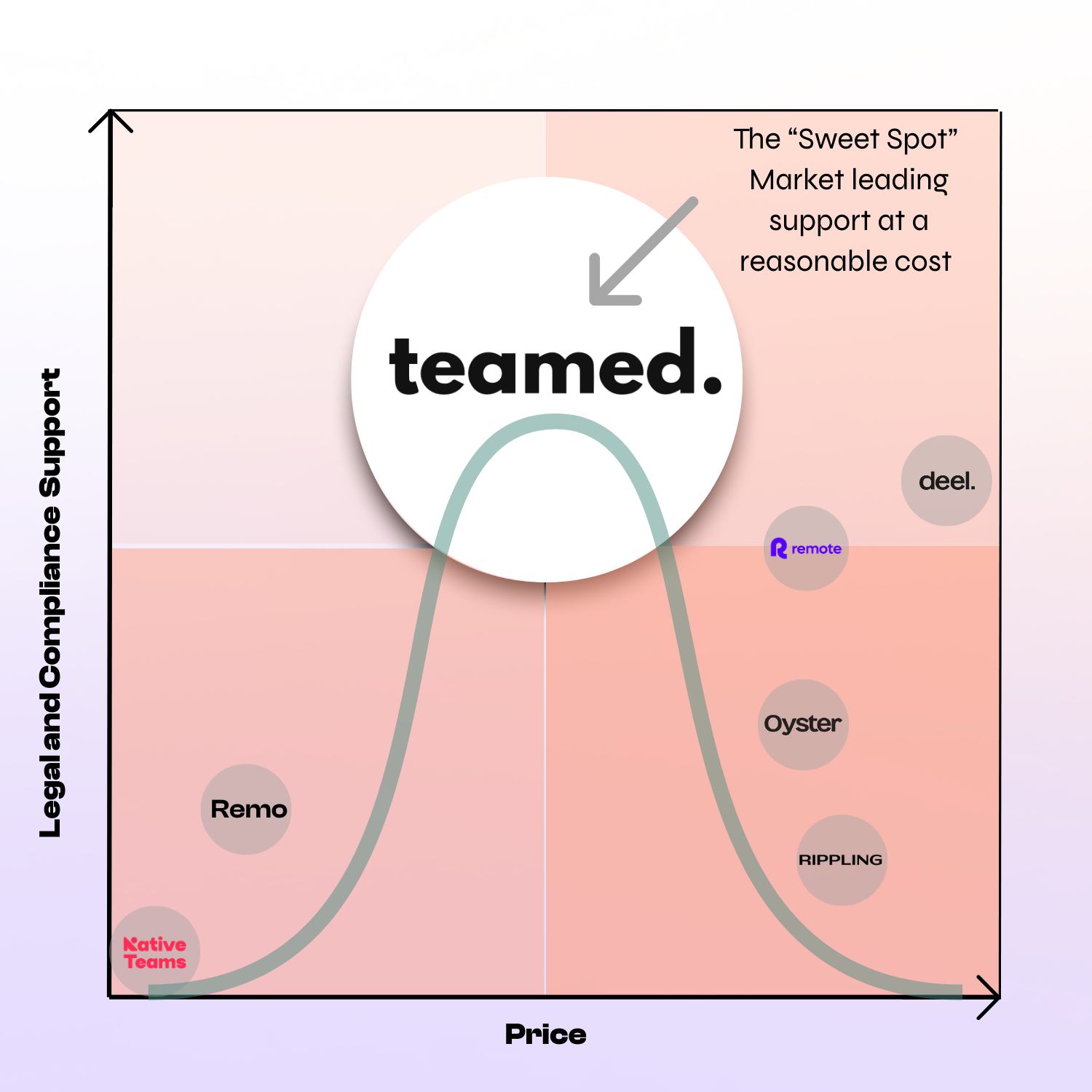
Teamed mid-market chart
Source: https://www.teamed.global/employe-of-record

(Unlike some of the bigger players that prioritize scale over service.)

Once you have a shortlist, ask to see a sample contract or payroll report to get a feel for each provider’s transparency and accuracy.

👉Learn how to navigate EU employment compliance as a scaling business in our guide.

Step 3: Assess support and communication

Ask more questions, read reviews, and talk to references to understand how each provider handles issue resolution and ongoing updates.

When you’re managing teams across time zones, support and communication can make or break your international hiring experience.

For example, service quality is one of the main reasons well-known EORs get one-star ratings like this:

Trustpilot one-star review
Source: https://uk.trustpilot.com/reviews/68cd4da4a45b3e8154933c41

Poor communication is more than inconvenient. It delays payroll, creates non-compliance risks, and frustrates employees abroad.

To avoid these consequences, test responsiveness early in the selection process by reaching out with questions through live chat, email, or phone call.

If you’re hiring across multiple regions, you’ll want an EOR partner who acts more like an extension of your HR team (not just a software platform).
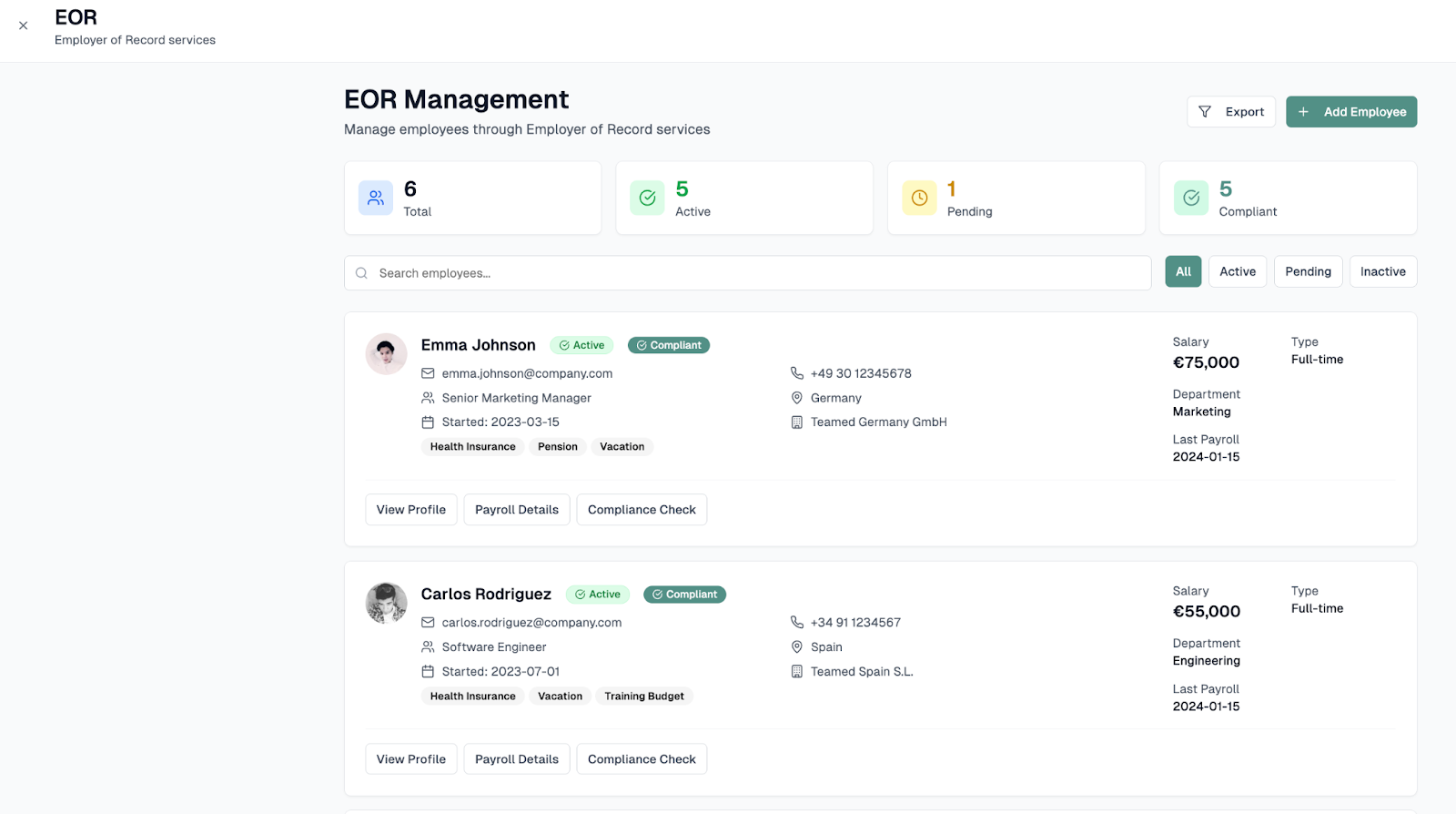
Teamed EOR Management dashboard
Source: https://v0-teamed-hero-dashboard-prompt.vercel.app/

Look beyond sales promises and ask:

  • Will we have a dedicated account manager or regional contact?
  • How quickly does your team resolve issues or answer compliance questions?
  • What’s the onboarding process like for new hires?
  • Do you provide proactive updates when local regulations change?

For best results, run a request for proposal (RFP) to standardise your comparison and ask for country-specific references.

Keep it short, structured, and specific to quickly see which providers truly understand your needs.

Talking to companies that have used the EOR to hire in your target markets will also give you real proof of service quality.

Look for a partner that treats communication as part of their value, not an afterthought.

👉Example in action: Learn how recruitment firm Data Science Talent hired top South African talent while staying 100% compliant. Fast, human-centric support saved the hassle of setting up a local entity.

Step 4: Evaluate total cost and transparency

EOR costs may seem simple at first — usually a flat monthly fee per employee — but many providers add setup fees, currency markups, and admin charges that quickly add up as your team scales.

A provider that can’t clearly explain their pricing structure may also cut corners in service or compliance. So, transparency matters just as much as the base price.

Start by asking each provider for a complete cost breakdown before signing anything.

Key insights to request include:

  • Full cost structure. Are base fee, taxes, benefits, and admin charges clearly defined and cost-effective?
  • Currency exchange policy. How does the EOR handle conversions, and how often do rates fluctuate?
  • Setup or termination fees. Could costs sneak up when onboarding or offboarding employees?
  • Sample invoices. Does “all-inclusive pricing” really mean all-inclusive?

Prioritize providers that are upfront about what you get and for how much.

Always choose to work with a company that’s happy to lay out pricing — with no surprise line items later.
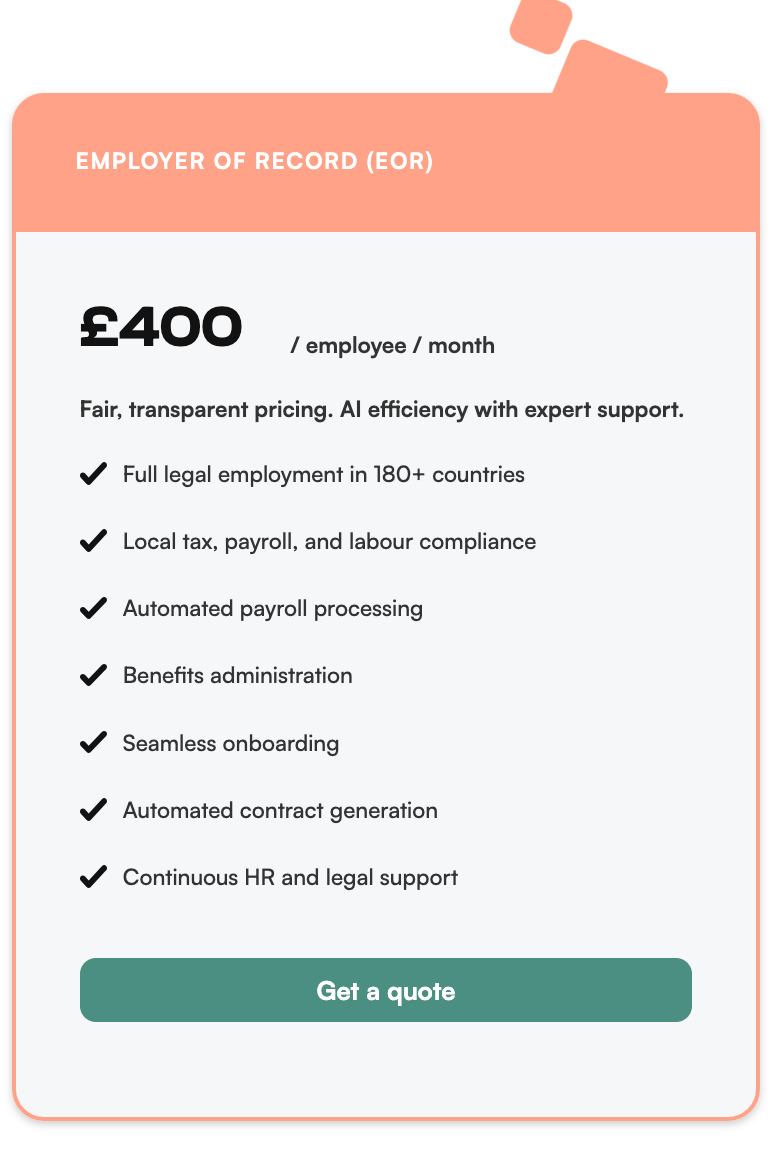
Teamed EOR pricing
Source: https://www.teamed.global/pricing

Imagine you’re expanding into France and comparing two EORs.

One charges £699 per employee per month, while another quotes £650. But the lower-priced option adds 3% in currency fees and separate social tax handling.

By year-end, that “cheaper” option can actually cost thousands more.

If cost predictability matters to you (and it always should), clarity beats low pricing every time.

💡Pro tip: Use Teamed’s cost calculator to see a realistic view of the cost to hire employees from different countries. It’s an easy way to plan budgets confidently and avoid hidden surprises.

Step 5: Choose the right EOR with the best ROI

A quality partner streamlines hiring, reduces admin time, and helps you enter new markets faster — all of which compound into measurable return on investment (ROI).

Let’s say you choose Teamed, a unified global employment platform built for mid-market and fast-scaling companies.

You want to combine AI-powered automation with real human expertise to handle everything from international contractors and EOR to payroll and entity setup:
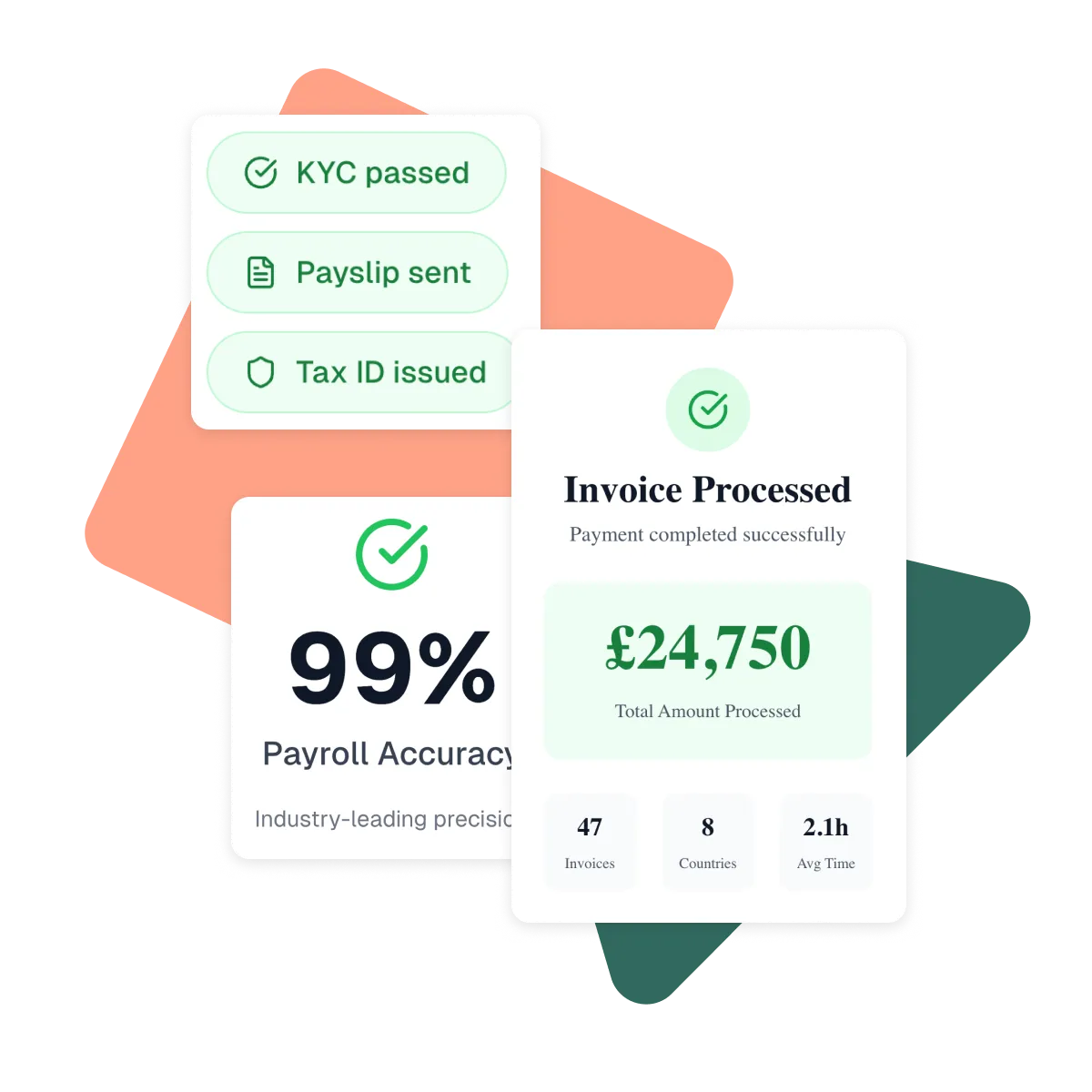
Teamed payroll compliance
Source: https://www.teamed.global/global-payroll

You settled on Teamed because you’re scaling into multiple regions at once and need to hire quickly while keeping compliance airtight.

Your HR team doesn’t have the bandwidth to juggle country-specific contracts, payroll systems, or filings — but you don’t want to risk fines or inconsistent employee experiences.

Unlike other providers, we have real people available 24/5 through Teamed’s support to answer questions, resolve issues, and guide you through unique scenarios:
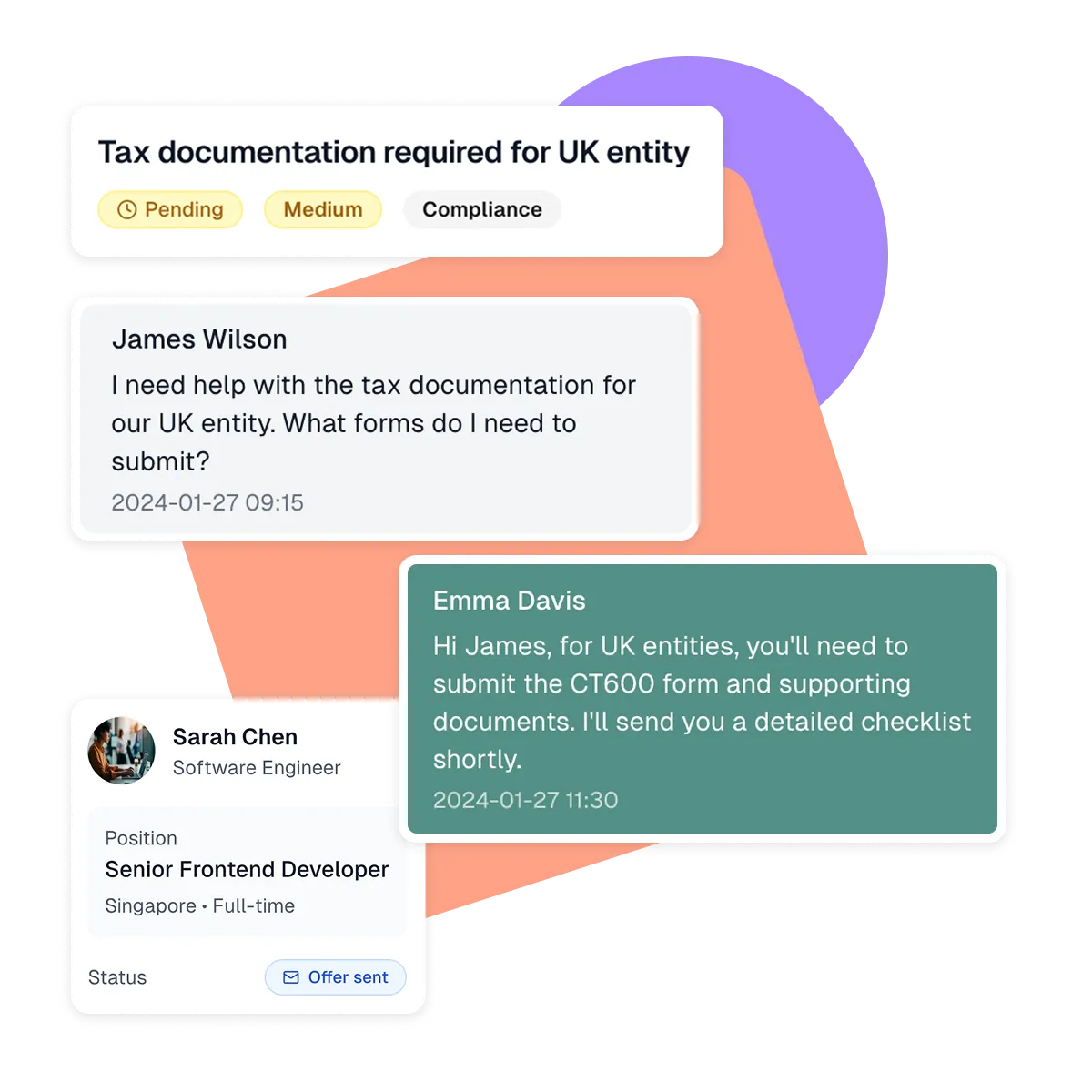
Teamed client support chat
Source: https://www.teamed.global/mid-market

It’s not just a product, it’s a human-led service.

Teamed’s biggest strengths include:

  • AI and human expert advisory. Automated workflows handle admin fast, while specialists tackle complex HR and regulatory cases — from collective agreements to works councils.
  • Compliance you can count on. We manage employment across 180+ countries, ensuring you meet all local filings, benefits, and tax requirements on time.
  • All-in-one platform. Oversee all contractors, EOR, and entities in one dashboard, making it easier to grow teams globally without switching tools.
  • Seamless graduation. As you expand, move employees from contractor → EOR → entity status without re-onboarding or losing continuity.
  • Transparent pricing. Get clear, predictable costs with no hidden admin fees, currency markups, or surprise invoices. Teamed’s pricing scales fairly as you grow.

Teamed isn’t a full-service HR suite, “set-it-and-forget-it” solution, or low-cost contractor-only tool.

But for a mid-sized, scaling company expanding globally, these limitations don’t matter. You’re laser-focused on compliance, speed, and expert support where it counts.

And the ROI speaks for itself. Companies using Teamed:

  • Save up to 30 hours per hire with same-day onboarding
  • Cut costs by around £20,000 per country by skipping entity setup
  • Onboard within 24 hours in most European markets with ready-to-use infrastructure
  • Reduce HR admin by up to 54% using AI, freeing your team to focus on strategy instead of paperwork

Compare this to setting up a legal entity, which can take anywhere from three days in the UK to around eight weeks in Germany (without even considering bank account delays, etc.).

Teamed is so much more than an EOR. It’s a global growth platform that combines automated workflows and expert support (from real humans) to help scaling companies expand with confidence.

👉Learn what to consider before choosing an EOR partner in this eye-opening guide.

5 typical challenges of EORs and how to mitigate them

By learning how to anticipate and manage common EOR challenges, you’ll avoid costly mistakes and keep your global teams running smoothly as your company scales.

Here are five typical challenges and how to stay ahead of them:

EOR Challenge Mitigation Strategy
Software costs and hidden fees Select providers with transparent, flat-fee pricing. Request sample invoices to audit line items before commitment.
Shifting global regulations Partner with an EOR that maintains in-country legal experts rather than outsourcing compliance to third-party resellers.
Local tax & HR liability Ensure the EOR assumes full legal liability (Employer of Record) for all local filings, withholdings, and statutory benefits.
Scaling limits Look for providers with a "GEMO" (Global Entity Management) path to simplify the transition from EOR to owned entity as you grow.
Cultural & UI inconsistency Standardize your internal onboarding workflow to bridge the gap between your company culture and the EOR’s technical platform.

Imagine you’re the HR lead at a 300-person software company scaling into Australia and New Zealand.

You’ve hired your first few employees through an EOR.

But after a few months, you notice costs creeping up and minor compliance differences between countries creating confusion.

These issues are common and fixable with the right approach.

Transparency, strong communication, and proactive planning turn any potential roadblocks into opportunities to build a stronger, more scalable company.

EOR FAQs

Q: What doesn’t an EOR do?

A: An EOR doesn’t replace your HR team or manage day-to-day performance. You still direct global workforce management, culture, and goals.

The EOR handles global payroll, legal employment laws, and compliance in each new country — like a legal and administrative backbone.

Q: What are some common misconceptions about EORs?

A: Many assume EORs are only for startups or short-term hiring. But a quality provider like Teamed supports global expansion plans (from contractors to EOR to full entity), so you can scale without disruption.

Another misconception is that EORs remove control. They actually add structure and confidence in compliance, so you can focus on leading your team.

Q: What’s the difference between an EOR and setting up a local entity?

A: Setting up an entity gives you a permanent legal presence in a country. However, it can take months and cost thousands in registration fees, local tax filings, and legal expenses.

An EOR lets you hire in days — use its existing infrastructure while staying fully compliant. Later, if you outgrow the EOR model, a service like Teamed’s GEMO helps you move to entity ownership without rehiring or disrupting your team.

Choose a human-led EOR like Teamed that scales alongside you

The right EOR lets you hire fast and focus on growing your business without getting bogged down in legal or admin work.

To maximise your investment, look for a provider that offers AI-powered automation, hands-on human support, and transparent pricing.

Plus, the ability to seamlessly transition from EOR to complete entity management as your company expands.

Book a call today and join 1,000+ scaling teams like Globant and Eventbrite who rely on Teamed to grow globally with minimal effort.
Key takeaways: What is an EOR?

  • An Employer of Record (EOR) lets you legally hire and pay global employees without setting up a local entity to save time and reduce risk.
  • Choosing the right EOR provider starts with understanding your hiring goals, compliance needs, and desired level of support. Because not all EORs offer the same coverage, transparency, or expertise.
  • A quality EOR unlocks faster, compliant hiring, and smoother market entry. Use one to grow confidently while protecting yourself against legal and financial risk.
  • Teamed is the EOR built for mid-sized and scaling companies — combining AI automation with hands-on experts, transparent pricing, and 24/5 human support.

What is an Employer of Record (EOR)?

An Employer of Record (EOR) is a third-party organization that legally employs workers on behalf of your company.

While you still control day-to-day operations, the EOR takes care of the admin, legal, and compliance aspects of employment.

But you still get an overview of everything going on using a service like Teamed:

Teamed dashboard showing quick access
Source: https://v0-teamed-hero-dashboard-prompt.vercel.app/

For mid-sized companies expanding globally, this setup removes a huge amount of friction.

Imagine you’re a 250-person SaaS company based in the US that’s found the perfect marketing lead in Germany.

When you partner with an EOR, it becomes the marketing lead’s legal employer. But you still manage their goals, workload, and culture like any other team member.

Here’s how an EOR relationship typically works:

EOR relationship by employment area


An EOR lets you hire without dealing with complex labour laws or worrying about compliance mistakes.

EOR vs. a PEO vs. a staffing agency

If you’ve never worked with an EOR before, it’s easy to confuse it with other HR outsourcing options like a PEO (Professional Employer Organisation) or a staffing agency.

However, each solves very different problems.

Here’s how the three service providers compare:

Service Metric EOR Model PEO Model Staffing Agency
Best for Global hiring Local HR scaling Short-term roles
Employment type Full-time employees Co-employment Temporary/Contract
Legal employer ✅ Yes ❌ No ✅ Yes (Temp)
Handles payroll/tax ✅ Yes ✅ Yes ⚠️ Limited
Entity requirement ❌ No ✅ Yes ❌ No

Scaling internationally, but don’t want to set up permanently in one place yet?

An EOR lets you hire from a global talent pool and pay them legally — while saving time and money and eliminating risk.

💡Pro tip: Teamed makes this process easier through its GEMO (Global Entity Management Operations) offering. Start with an EOR and seamlessly graduate to entity management when the time is right — no rehiring or disruptions.

What are the benefits of a quality EOR service?

A global EOR helps you hire faster, test new markets (without committing a huge amount of time or money), and ensure compliant employment.

Here are three of the biggest advantages:

Faster global hiring

International hiring through an EOR solution is often weeks (or even months) faster than doing it alone.

According to SmartRecruiters’ research, the global median time to hire is 38 days. But companies using artificial intelligence (AI) in their hiring processes (as many EORs do) can hire 26% faster.

SmartRecruiters report global median time to hire data
Source: https://ta.smartrecruiters.com/rs/664-NIC-529/images/Recruitment-Benchmarks-2025-Report.pdf?version=0

Instead of waiting for entity registration, tax IDs, and local legal approvals, you can onboard the best talent in as little as 24 hours using the EOR’s existing infrastructure and technology.

Imagine you’re a rapidly growing fintech company about to launch in Asia.

You find a brilliant customer success lead in Singapore, but setting up a local entity to hire them would take 2–3 months.

With an EOR that uses AI-powered workflows (like Teamed), that fully compliant hire starts in under a week and gets paid in local currency.

For a scaling company, this can be the difference between losing top talent who drop out of slow HR processes and capturing market share early.

👉Example in action: Learn how Teamed’s local expertise helped property management company City Relay grow its team by 80%. No additional in-house human resources or compliance knowledge necessary.

Simplified compliance and reduced legal risk

An EOR takes on employer responsibilities (e.g., staying compliant with local labour, tax, and HR regulations) and reduces the risk of fines and legal disputes.

With peace of mind and fewer disruptions, you can focus on building teams and expanding into new markets without fear of compliance errors.

Say you’re a mid-sized analytics provider expanding into Spain and Brazil (the latter being one of the top 10 most complex jurisdictions for doing business).

Each country has different rules for:

  • Employment contracts. Requirements around holidays, notice periods, and termination clauses.
  • Visas and background checks. Country-specific documentation, work permits, and verification processes.
  • Benefits administration. Health insurance, social security contributions, and statutory leave policies.
  • Payroll processing and reporting. Local tax filings, deductions, and timely payments in local currency.

While managing all of this internally could easily lead to costly mistakes, local experts who understand the nuances of each market back EORs.

You still manage your team’s work and goals. But the legal and administrative burden is off your plate.

Flexibility to test new markets

A quality EOR lets you hire locally without committing to a full entity. Use one to test market entry, validate your product, and explore customer demand without long-term overhead.

According to PwC research, 65% of British CEOs are actively planning to enter new markets (most notably, the US).

PwC research entering new markets data
Source: https://www.pwc.co.uk/ceo-survey.html

Rapidly growing businesses can use EORs to test multiple markets safely and strategically, learning what works before committing to a full legal presence.

For example, you may want to hire a small sales and support team to see if the Mexican market is viable.

Setting up a permanent establishment would take months and tens of thousands of pounds.

With an EOR, you can scale your team up or down quickly based on early results, experiment with different roles, and adjust your approach as you learn.

💡Pro tip: With software like Teamed, you’ll also save around £20,000 per country on setup costs and maintain full legal compliance.

How to choose the right EOR provider for your unique needs

The best EOR for your business depends on where you’re hiring, how fast you’re growing, and the level of support you need.

Whether you’re expanding into one new country or 10, a little structure in your decision-making process helps you narrow your options and find a provider that truly fits your needs.

Here are five crucial steps to do so successfully.

Step 1: Determine your hiring and compliance needs

Before choosing an EOR, it’s essential to clarify exactly why you need one and what problems you want it to solve.

Start by outlining your target markets, expected headcount, and legal or payroll requirements.

Say you’re planning to hire five employees in France and 20 in Canada. France requires strict employment contracts and local benefits, while Canada’s payroll taxes vary by province.

Knowing this upfront helps you find a partner with the right country coverage and expertise in both markets (saving you compliance headaches later).

You likely need an EOR if you’re:

The clearer you are about your hiring and compliance needs, the easier it will be to compare providers, avoid hidden surprises, and select an EOR that fits your growth strategy.

To work out these requirements, ask questions and discuss the answers with your team. 

For example:

  • What roles and number of employees do we need in each country?

→ This helps estimate costs and identify providers with the right expertise.

  • Are there any industry-specific regulations that affect compliance?

→ Sectors like healthcare, fintech, and life sciences have stricter rules around contracts, certifications, and data handling.

  • What’s our desired level of control vs. delegation?

→ EORs can simply handle basic payroll and legal responsibilities. Or you can request onboarding, competitive benefits, and HR support.

By treating this initial research step like a blueprint for your entire hiring process, you’ll be more likely to choose an EOR that helps you scale globally with confidence.

👉Example in action: Learn how Web3 company Luganodes added 50% to its international workforce in a highly regulated industry. Teamed’s affordable, scalable systems (that also handled crypto payments) were a no-brainer.

Step 2: Create a list of suitable EOR providers

The best-fit EOR for your business depends on your company size, industry, and growth goals.

Taking the time to find providers that actually fit your situation — not just the biggest names — saves you from expensive missteps later.

The right match leads to:

  • Smoother onboarding
  • Fewer compliance issues
  • A better experience for every person on your global team

For example, European jurisdictions (like Greece) are highly complex. It’s no wonder McKinsey research indicates that European hiring is only successful around 46% of the time.

But it’s also why many US-based companies partner with providers who have a deep understanding of local employment laws.

That specific expertise makes a huge difference in avoiding regulatory gaps.

Once you have a clear idea of your hiring and compliance needs, arrange demos with promising EORs and ask targeted questions:

This stage narrows down 10+ generic vendors to two or three that can actually serve your business model.

For example, you may land on a platform like Teamed, which offers personalized support at a transparent, mid-market-friendly cost:

Teamed mid-market chart
Source: https://www.teamed.global/employe-of-record

(Unlike some of the bigger players that prioritize scale over service.)

Once you have a shortlist, ask to see a sample contract or payroll report to get a feel for each provider’s transparency and accuracy.

👉Learn how to navigate EU employment compliance as a scaling business in our guide.

Step 3: Assess support and communication

Ask more questions, read reviews, and talk to references to understand how each provider handles issue resolution and ongoing updates.

When you’re managing teams across time zones, support and communication can make or break your international hiring experience.

For example, service quality is one of the main reasons well-known EORs get one-star ratings like this:

Trustpilot one-star review
Source: https://uk.trustpilot.com/reviews/68cd4da4a45b3e8154933c41

Poor communication is more than inconvenient. It delays payroll, creates non-compliance risks, and frustrates employees abroad.

To avoid these consequences, test responsiveness early in the selection process by reaching out with questions through live chat, email, or phone call.

If you’re hiring across multiple regions, you’ll want an EOR partner who acts more like an extension of your HR team (not just a software platform).

Teamed EOR Management dashboard
Source: https://v0-teamed-hero-dashboard-prompt.vercel.app/

Look beyond sales promises and ask:

  • Will we have a dedicated account manager or regional contact?
  • How quickly does your team resolve issues or answer compliance questions?
  • What’s the onboarding process like for new hires?
  • Do you provide proactive updates when local regulations change?

For best results, run a request for proposal (RFP) to standardise your comparison and ask for country-specific references.

Keep it short, structured, and specific to quickly see which providers truly understand your needs.

Talking to companies that have used the EOR to hire in your target markets will also give you real proof of service quality.

Look for a partner that treats communication as part of their value, not an afterthought.

👉Example in action: Learn how recruitment firm Data Science Talent hired top South African talent while staying 100% compliant. Fast, human-centric support saved the hassle of setting up a local entity.

Step 4: Evaluate total cost and transparency

EOR costs may seem simple at first — usually a flat monthly fee per employee — but many providers add setup fees, currency markups, and admin charges that quickly add up as your team scales.

A provider that can’t clearly explain their pricing structure may also cut corners in service or compliance. So, transparency matters just as much as the base price.

Start by asking each provider for a complete cost breakdown before signing anything.

Key insights to request include:

  • Full cost structure. Are base fee, taxes, benefits, and admin charges clearly defined and cost-effective?
  • Currency exchange policy. How does the EOR handle conversions, and how often do rates fluctuate?
  • Setup or termination fees. Could costs sneak up when onboarding or offboarding employees?
  • Sample invoices. Does “all-inclusive pricing” really mean all-inclusive?

Prioritize providers that are upfront about what you get and for how much.

Always choose to work with a company that’s happy to lay out pricing — with no surprise line items later.

Teamed EOR pricing
Source: https://www.teamed.global/pricing

Imagine you’re expanding into France and comparing two EORs.

One charges £699 per employee per month, while another quotes £650. But the lower-priced option adds 3% in currency fees and separate social tax handling.

By year-end, that “cheaper” option can actually cost thousands more.

If cost predictability matters to you (and it always should), clarity beats low pricing every time.

💡Pro tip: Use Teamed’s cost calculator to see a realistic view of the cost to hire employees from different countries. It’s an easy way to plan budgets confidently and avoid hidden surprises.

Step 5: Choose the right EOR with the best ROI

A quality partner streamlines hiring, reduces admin time, and helps you enter new markets faster — all of which compound into measurable return on investment (ROI).

Let’s say you choose Teamed, a unified global employment platform built for mid-market and fast-scaling companies.

You want to combine AI-powered automation with real human expertise to handle everything from international contractors and EOR to payroll and entity setup:

Teamed payroll compliance
Source: https://www.teamed.global/global-payroll

You settled on Teamed because you’re scaling into multiple regions at once and need to hire quickly while keeping compliance airtight.

Your HR team doesn’t have the bandwidth to juggle country-specific contracts, payroll systems, or filings — but you don’t want to risk fines or inconsistent employee experiences.

Unlike other providers, we have real people available 24/5 through Teamed’s support to answer questions, resolve issues, and guide you through unique scenarios:

Teamed client support chat
Source: https://www.teamed.global/mid-market

It’s not just a product, it’s a human-led service.

Teamed’s biggest strengths include:

  • AI and human expert advisory. Automated workflows handle admin fast, while specialists tackle complex HR and regulatory cases — from collective agreements to works councils.
  • Compliance you can count on. We manage employment across 180+ countries, ensuring you meet all local filings, benefits, and tax requirements on time.
  • All-in-one platform. Oversee all contractors, EOR, and entities in one dashboard, making it easier to grow teams globally without switching tools.
  • Seamless graduation. As you expand, move employees from contractor → EOR → entity status without re-onboarding or losing continuity.
  • Transparent pricing. Get clear, predictable costs with no hidden admin fees, currency markups, or surprise invoices. Teamed’s pricing scales fairly as you grow.

Teamed isn’t a full-service HR suite, “set-it-and-forget-it” solution, or low-cost contractor-only tool.

But for a mid-sized, scaling company expanding globally, these limitations don’t matter. You’re laser-focused on compliance, speed, and expert support where it counts.

And the ROI speaks for itself. Companies using Teamed:

  • Save up to 30 hours per hire with same-day onboarding
  • Cut costs by around £20,000 per country by skipping entity setup
  • Onboard within 24 hours in most European markets with ready-to-use infrastructure
  • Reduce HR admin by up to 54% using AI, freeing your team to focus on strategy instead of paperwork

Compare this to setting up a legal entity, which can take anywhere from three days in the UK to around eight weeks in Germany (without even considering bank account delays, etc.).

Teamed is so much more than an EOR. It’s a global growth platform that combines automated workflows and expert support (from real humans) to help scaling companies expand with confidence.

👉Learn what to consider before choosing an EOR partner in this eye-opening guide.

5 typical challenges of EORs and how to mitigate them

By learning how to anticipate and manage common EOR challenges, you’ll avoid costly mistakes and keep your global teams running smoothly as your company scales.

Here are five typical challenges and how to stay ahead of them:

EOR Challenge Mitigation Strategy
Software costs and hidden fees Select providers with transparent, flat-fee pricing. Request sample invoices to audit line items before commitment.
Shifting global regulations Partner with an EOR that maintains in-country legal experts rather than outsourcing compliance to third-party resellers.
Local tax & HR liability Ensure the EOR assumes full legal liability (Employer of Record) for all local filings, withholdings, and statutory benefits.
Scaling limits Look for providers with a "GEMO" (Global Entity Management) path to simplify the transition from EOR to owned entity as you grow.
Cultural & UI inconsistency Standardize your internal onboarding workflow to bridge the gap between your company culture and the EOR’s technical platform.

Imagine you’re the HR lead at a 300-person software company scaling into Australia and New Zealand.

You’ve hired your first few employees through an EOR.

But after a few months, you notice costs creeping up and minor compliance differences between countries creating confusion.

These issues are common and fixable with the right approach.

Transparency, strong communication, and proactive planning turn any potential roadblocks into opportunities to build a stronger, more scalable company.

EOR FAQs

Q: What doesn’t an EOR do?

A: An EOR doesn’t replace your HR team or manage day-to-day performance. You still direct global workforce management, culture, and goals.

The EOR handles global payroll, legal employment laws, and compliance in each new country — like a legal and administrative backbone.

Q: What are some common misconceptions about EORs?

A: Many assume EORs are only for startups or short-term hiring. But a quality provider like Teamed supports global expansion plans (from contractors to EOR to full entity), so you can scale without disruption.

Another misconception is that EORs remove control. They actually add structure and confidence in compliance, so you can focus on leading your team.

Q: What’s the difference between an EOR and setting up a local entity?

A: Setting up an entity gives you a permanent legal presence in a country. However, it can take months and cost thousands in registration fees, local tax filings, and legal expenses.

An EOR lets you hire in days — use its existing infrastructure while staying fully compliant. Later, if you outgrow the EOR model, a service like Teamed’s GEMO helps you move to entity ownership without rehiring or disrupting your team.

Choose a human-led EOR like Teamed that scales alongside you

The right EOR lets you hire fast and focus on growing your business without getting bogged down in legal or admin work.

To maximise your investment, look for a provider that offers AI-powered automation, hands-on human support, and transparent pricing.

Plus, the ability to seamlessly transition from EOR to complete entity management as your company expands.

Book a call today and join 1,000+ scaling teams like Globant and Eventbrite who rely on Teamed to grow globally with minimal effort.
TABLE OF CONTENTS

Take a look
at the latest articles